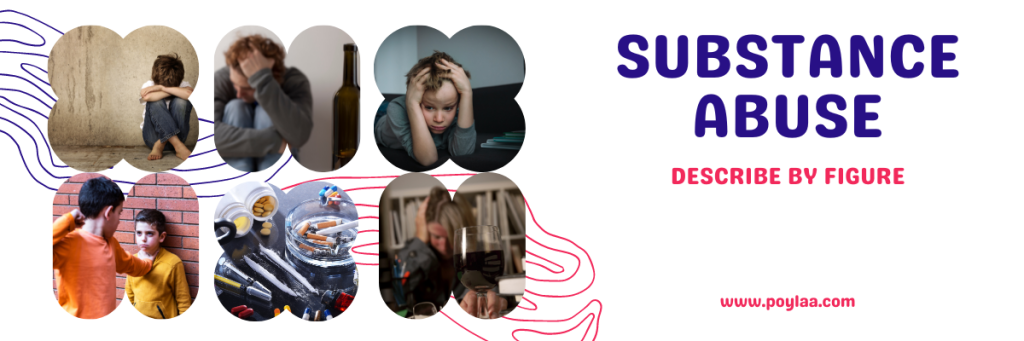
Substance abuse isn’t something you should take lightly. It occurs when you use alcohol, prescription medicine, and other legal and illegal substances too much or in the wrong way. Substance abuse differs from addiction. Many people with substance abuse problems are able to quit or can change their unhealthy behavior. Addiction, on the other hand, is a disease. It means you can’t stop using even when your condition causes you harm.
Why Substance Abuse
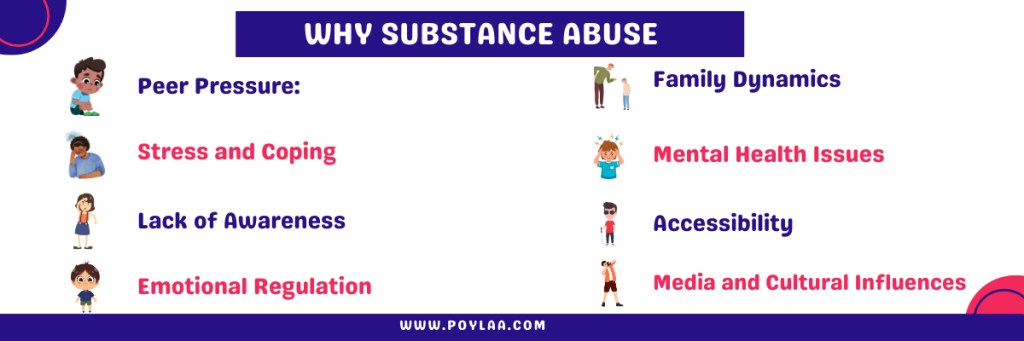
Substance abuse among teenagers can stem from a combination of factors, including social, psychological, and environmental influences. Some reasons why teenagers may engage in substance abuse include:
Peer Pressure: During adolescence, teenagers are often influenced by their peers and may feel pressured to try drugs or alcohol to fit in or be accepted by their social circle.
Stress and Coping: The teenage years can be challenging, with academic pressure, peer relationships, and family issues causing stress. Some teenagers may turn to substances as a way to cope with these stressors.
Lack of Awareness: Some teenagers may not fully understand the risks and consequences of substance abuse, especially if they haven’t received adequate education on the topic.
Emotional Regulation: Teenagers’ emotional development is still maturing, and they may use drugs or alcohol as a way to regulate their emotions or escape from negative feelings.
Family Dynamics: Family influences can play a role in substance abuse. Teenagers from households where substance use is prevalent may be more likely to engage in similar behavior.
Mental Health Issues: Teenagers with underlying mental health conditions, such as anxiety or depression, may turn to substances as a form of self-medication.
Accessibility: Easy access to drugs or alcohol can increase the likelihood of experimentation and abuse.
Media and Cultural Influences: Portrayals of substance use in media and popular culture can influence teenagers’ perceptions and attitudes towards drugs and alcohol.
Types of Substance Abuse
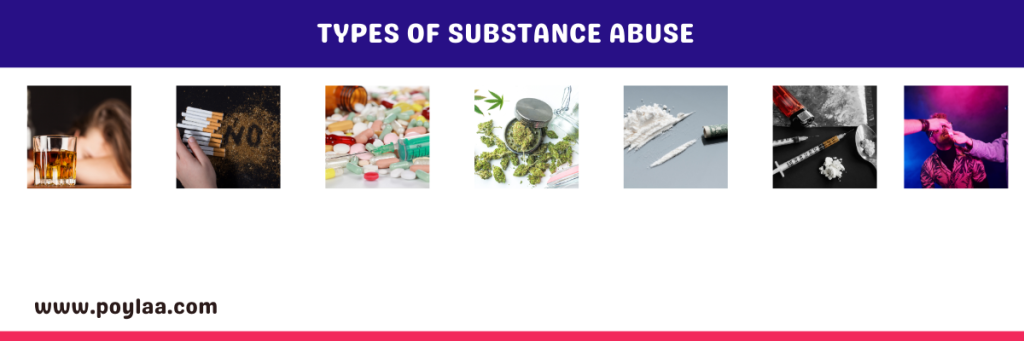
Substance abuse involves the misuse or excessive use of various legal and illegal substances. Here are some common types of substances that are commonly abused:
Alcohol: One of the most widely abused substances, alcohol can lead to addiction and various health problems when consumed excessively.
Tobacco: Nicotine-containing products, such as cigarettes and smokeless tobacco, are addictive and harmful to health.
Prescription Medications: Certain prescription drugs, like opioids, benzodiazepines, and stimulants, can be abused when taken without a prescription or not as directed.
Marijuana: Cannabis, commonly known as marijuana or weed, is often abused for its psychoactive effects.
Cocaine: A powerful stimulant, cocaine is a highly addictive illegal drug.
Heroin: An illegal opioid drug that is highly addictive and dangerous.
Club Drugs: Drugs commonly used in social or party settings, such as MDMA (ecstasy), GHB, and ketamine.
How to stop
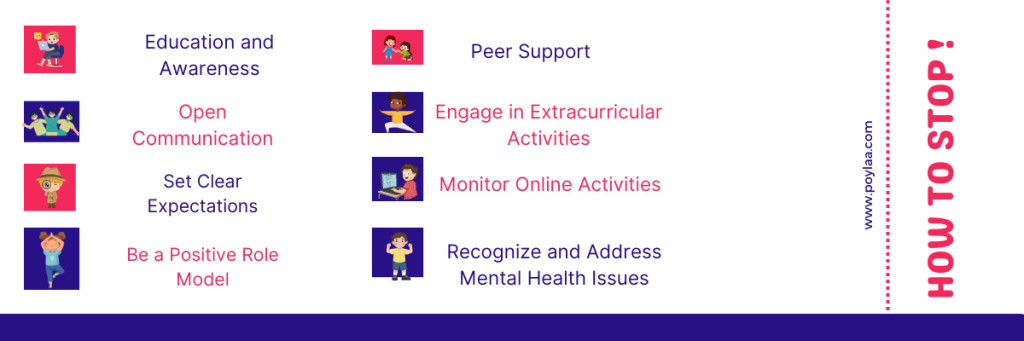
Stopping substance abuse in teenagers requires a multi-faceted approach that involves parents, educators, healthcare professionals, and the community. Here are some strategies to help prevent and address substance abuse among teenagers:
Education and Awareness: Start by educating teenagers and their parents about the risks and consequences of substance abuse. Provide accurate information about the harmful effects of drugs and alcohol, as well as the signs of addiction.
Open Communication: Create an open and non-judgmental environment for communication between parents and teenagers. Encourage honest conversations about peer pressure, stress, and other factors that may lead to substance abuse.
Set Clear Expectations: Establish clear rules and expectations regarding substance use. Let your teenager know that you do not tolerate drug or alcohol use and that there will be consequences for breaking the rules.
Be a Positive Role Model: Parents and other adults should model healthy behaviors and responsible alcohol use. Avoid using drugs or alcohol excessively in front of teenagers.
Peer Support: Encourage your teenager to surround themselves with positive and supportive friends who share similar values. Positive peer influence can help deter substance abuse.
Engage in Extracurricular Activities: Encourage teenagers to participate in sports, clubs, or other extracurricular activities that provide a sense of belonging and purpose.
Monitor Online Activities: Be aware of your teenager’s online activities and social media usage. Online peer pressure and exposure to drug-related content can influence behavior.
Recognize and Address Mental Health Issues: Substance abuse can be linked to underlying mental health problems. Ensure that your teenager has access to appropriate mental health support if needed.
Statistics and Data
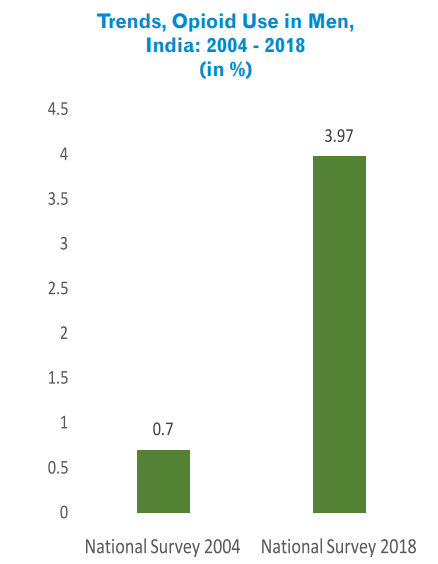
Here is the data on the prevalence of illicit drug use, including cannabis, opioids, cocaine, and ATS (amphetamine-type stimulants), and a comparison of global, Asian, and national (India) estimates in percentage:
Drug Category
World (15-64 years)
India (10-75 years)
Asia (15-64 years)
Cannabis
3.9%
1.2%
2.06%
Opioids
0.70%
2.06%
0.11%
Cocaine
0.37%
0.11%
0.18%
ATS (Amphetamine-type stimulants)
0.70%
0.59%
Not available
Note: The data represents the estimated prevalence of illicit drug use among the specified age groups in percentage. The comparison includes global estimates, Asian estimates, and national estimates for India. Please note that the data may vary based on different studies and surveys and may be subject to periodic updates as new data becomes available.