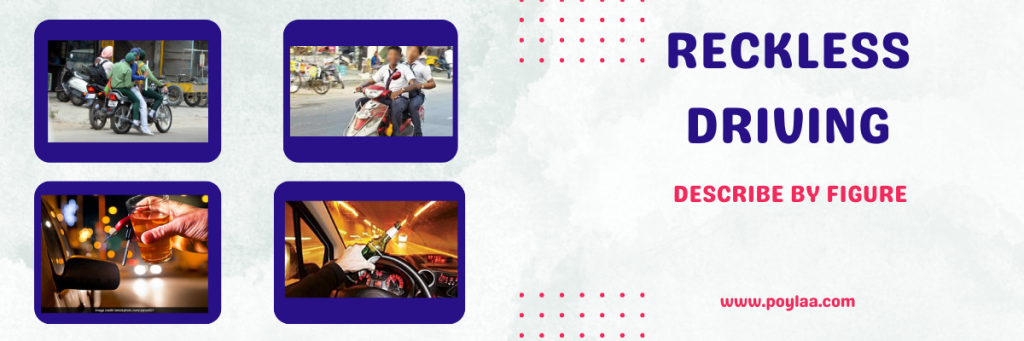
Reckless Driving Careless driving is a civil traffic violation that includes not paying attention to the road, speeding, disobeying traffic signs and lights and rules.
Reckless driving refers to operating a vehicle on the roadways with a complete disregard for the safety of others or oneself. It involves driving in a manner that poses significant risks to the driver, passengers, pedestrians, and other vehicles on the road. Reckless driving is considered a serious traffic offense and is illegal in most jurisdictions.
Examples of Reckless Driving
Examples of reckless driving may include:
Excessive Speeding: Driving well above the posted speed limits or driving at unsafe speeds for the road and weather conditions.
Aggressive Driving: Tailgating, weaving in and out of traffic, or making abrupt lane changes without signaling.
Running Red Lights or Stop Signs: Ignoring traffic signals and signs, endangering oneself and others at intersections.
Distracted Driving: Using a mobile phone, texting, or engaging in other activities that divert attention from the road.
Drunk or Drugged Driving: Operating a vehicle under the influence of alcohol or drugs, impairing judgment and reaction times.
Street Racing: Participating in illegal races on public roads, which can lead to catastrophic accidents..
Reckless Overtaking: Passing other vehicles in unsafe conditions or on double yellow lines.
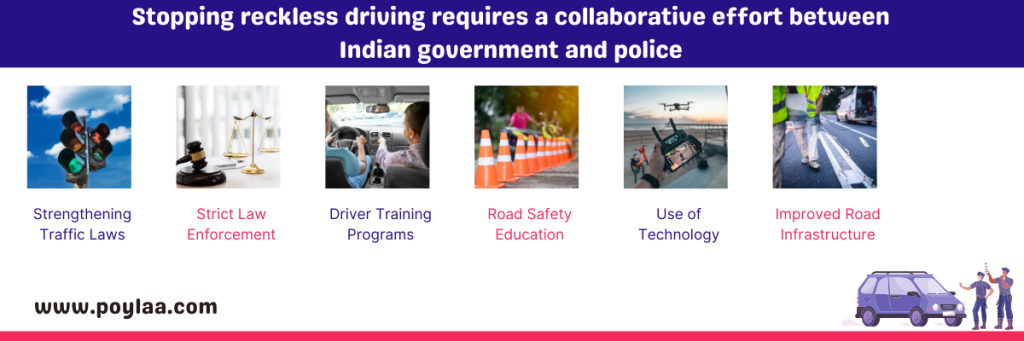
Stopping reckless driving requires a collaborative effort between Indian government and police
Stopping reckless driving requires a collaborative effort between the Indian government and the police force. Together, they can implement effective strategies to promote road safety and discourage dangerous driving behaviors. Here are some key steps that can be taken:
Strengthening Traffic Laws: The Indian government can review and update existing traffic laws to make them more stringent. Introducing harsher penalties for reckless driving, such as increased fines and license suspensions, can act as a strong deterrent.
Strict Law Enforcement: The police force plays a vital role in enforcing traffic laws. Increasing patrolling on high-risk roads and implementing random checks for speeding and other violations can help catch offenders and prevent reckless driving.
Driver Training Programs: Implement comprehensive driver training programs that emphasize defensive driving and safe practices. These programs can be mandatory for obtaining a driver’s license.
Road Safety Education: Introduce road safety education in schools and colleges. By incorporating road safety modules into the curriculum, young drivers can be taught responsible driving habits from an early age.
Use of Technology: Leverage technology for better road management. Implementing speed cameras, traffic signal control systems, and automated red-light enforcement can help regulate traffic and catch offenders.
Improved Road Infrastructure: The government should invest in improving road infrastructure. Well-maintained roads, proper signage, and pedestrian-friendly crossings contribute to safer driving conditions.
Stopping reckless driving requires a collaborative effort between parents to create a safer road environment
Stopping reckless driving requires a collaborative effort between parents to create a safer road environment and instill responsible driving habits among individuals, especially young drivers. Here are some steps that can be taken:
Limit Access to Vehicles: If your teenage driver is prone to reckless behavior, consider limiting their access to a car or allowing supervised driving until they demonstrate responsible habits.
Monitor Driving Habits: Use technology like smartphone apps or GPS tracking systems to monitor your teen’s driving behavior. Provide constructive feedback based on the data to help them improve their skills.
Enroll in Defensive Driving Courses: Encourage your young drivers to take defensive driving courses. These courses teach vital skills for handling challenging situations on the road and can lead to lower insurance premiums.
Be a Supportive Co-driver: Offer to accompany your teenager on drives to provide guidance and support. Use these opportunities to teach them about defensive driving techniques and road safety.
Create a Safe Driving Contract: Consider creating a written agreement outlining the rules and expectations for driving. Both parents and teenagers can sign the contract as a commitment to responsible driving.
Stay Involved: Stay involved in your teen’s driving journey. Continue to communicate with them about their experiences and challenges on the road.
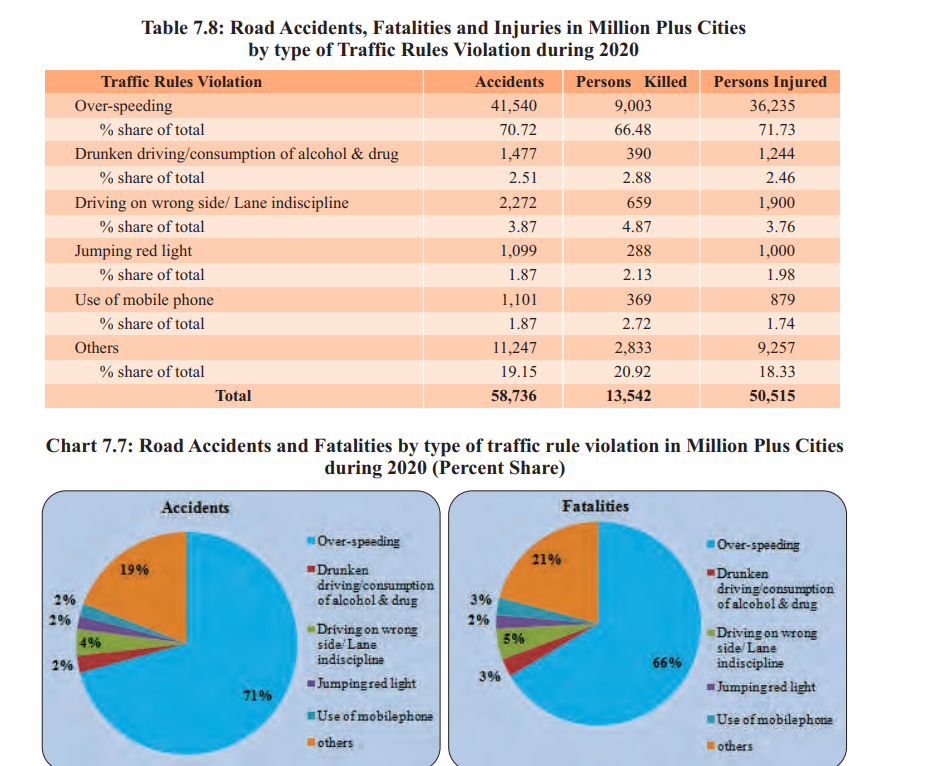
Statistics and Data
Traffic Rules Violation
Road Accidents (Year)
Fatalities (Year)
Injuries (Year)
Speeding
25,935
9,636
29,977
Drunk Driving
9,878
6,131
11,162
Distracted Driving
7,200
3,194
8,356
Reckless Overtaking
5,579
1,871
6,452
Running Red Lights
3,857
1,453
4,229
Not Using Seat Belts
1,495
932
1,674
Driving Without License
2,679
1,153
3,809
Overloading
4,925
1,742
5,832
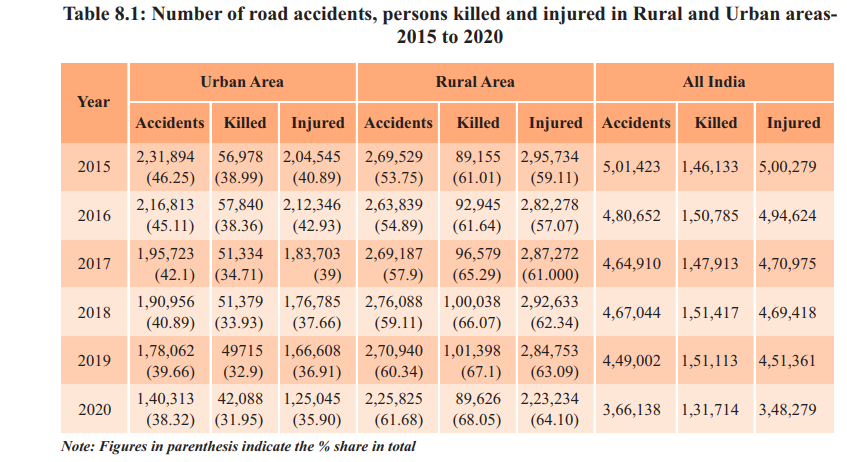
Note: The data provided above is based on reported road accidents, fatalities, and injuries in India for a specific year. Actual numbers may vary from year to year and may not capture all incidents due to potential underreporting or data discrepancies. The data highlights the importance of addressing these traffic rule violations to improve road safety and reduce the number of accidents, fatalities, and injuries on Indian roads.