Teenagers may engage in various types of risky behavior as they explore their identities, seek independence, and navigate the challenges of adolescence. Some common types of risky behaviors among teenagers include:
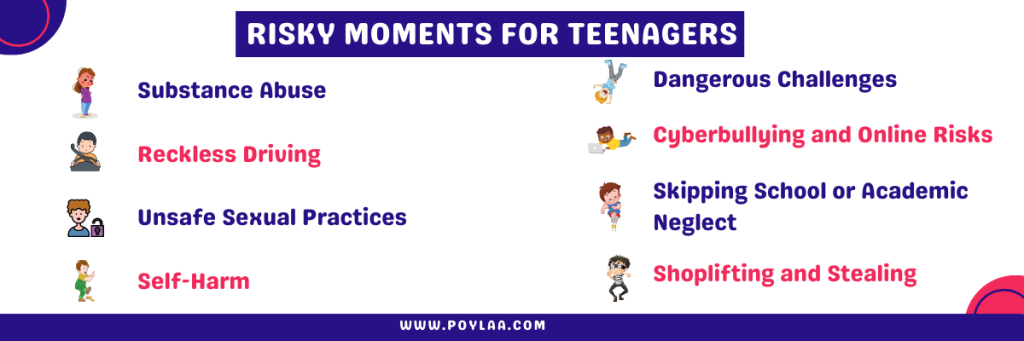
Now, let us understand these 8 risky situation for teenagers
Substance Abuse
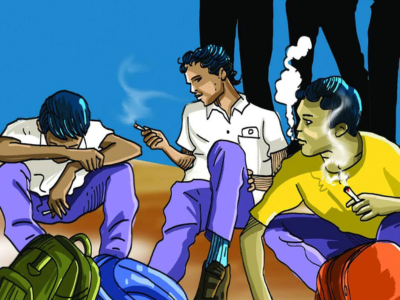
1.Substance Abuse: Experimenting with drugs, alcohol, or tobacco is a significant risk for teenagers. Substance abuse can have serious consequences on their physical health, mental well-being, and overall development.
Reckless Driving
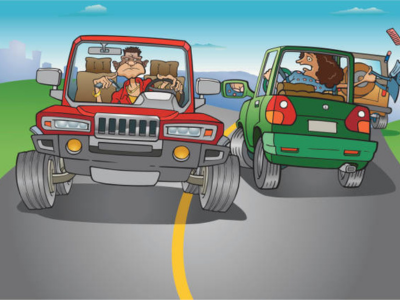
2.Reckless Driving: Teenagers, particularly new drivers, may exhibit reckless driving behaviors such as speeding, distracted driving, or driving under the influence, putting themselves and others at risk of accidents.
Unsafe Sexual Practices
3.Unsafe Sexual Practices: Some teenagers may engage in unprotected sex or have multiple sexual partners, leading to potential risks of sexually transmitted infections (STIs) and unplanned pregnancies.
Self-Harm
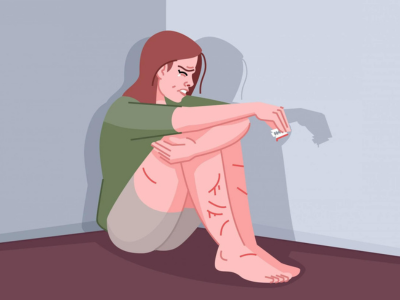
4.Self-Harm: Teenagers experiencing emotional distress or mental health challenges may resort to self-harm as a way to cope with their feelings, which can be a sign of underlying issues that require attention and support.
Dangerous Challenges
5.Dangerous Challenges: Some teenagers may participate in risky challenges or dares found online or through peer influence, which can lead to injuries or adverse health effects.
Cyberbullying and Online Risks
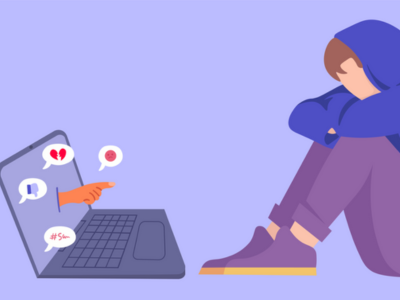
6.Cyberbullying and Online Risks: Teenagers can be vulnerable to cyberbullying or may engage in harmful online behaviors such as sharing explicit content or interacting with strangers on social media platforms.
Skipping School or Academic Neglect
7.Skipping School or Academic Neglect: Some teenagers may engage in truancy, skipping classes, or neglecting their academic responsibilities, which can negatively impact their educational outcomes.
Shoplifting and Stealing
8.Shoplifting and Stealing: Teenagers may be tempted to engage in shoplifting or stealing due to peer pressure or seeking thrill and excitement, putting them at risk of legal consequences.
It is crucial for parents, caregivers, and educators to be aware of these potential risky behaviors and to engage in open and supportive communication with teenagers. Establishing trust and providing guidance can help teenagers make informed decisions, develop healthy coping strategies, and navigate the challenges of adolescence more effectively. Additionally, promoting mental health awareness and seeking professional support when needed can play a significant role in addressing and preventing risky behaviors among teenagers.
How to slove these 8 problems
Teenagers may engage in various types of risky behavior as they explore their identities, seek independence, and navigate the challenges of adolescence. Some common types of risky behaviors among teenagers include:
1.Substance Abuse: Initiate open conversations about the dangers of substance abuse and the importance of making responsible choices. Stay involved in their lives and be aware of their social circles. Encourage participation in extracurricular activities and hobbies to keep them engaged positively.
2.Reckless Driving: Set clear rules for driving and establish consequences for breaking them. Enroll them in defensive driving courses to instill safe driving habits. Be a supportive passenger during their early driving experiences.
3.Unsafe Sexual Practices: Provide comprehensive sex education and encourage open communication about relationships and boundaries. Ensure access to contraceptives and emphasize the importance of consent and respect in relationships.
4.Self-Harm: Create a safe and supportive environment for discussing emotions and mental health. Seek professional help if you notice signs of self-harm or emotional distress.
5.Dangerous Challenges: Educate them about the risks of participating in dangerous challenges and emphasize the importance of critical thinking and making safe choices.
6.Cyberbullying and Online Risks: Establish rules for internet usage and monitor their online activities. Encourage positive digital citizenship and teach them how to report and handle cyberbullying incidents.
7.Skipping School or Academic Neglect: Stay involved in their academic progress and communicate with teachers regularly. Address any underlying issues affecting their motivation to attend school or excel academically.
8.Shoplifting and Stealing: Talk about the consequences of stealing and emphasize the importance of respecting others’ belongings. Encourage involvement in community service or volunteering to channel their energy positively.